

Introduction
In a world that celebrates speed, patience often feels like a forgotten virtue. Everyone wants results—fast promotions, instant recognition, quick success. But nature doesn’t work that way. It moves slowly, silently, and purposefully. Every sunrise, every blooming flower, every growing tree reminds that progress doesn’t need to be loud to be real.
This is the story of a man who learns patience from nature—not through lectures or books, but through quiet observation and reflection. His journey shows that sometimes, slowing down is the only way to move forward.
Story: The Man Who Tried to Outrun Time
Sameer was a 29-year-old project manager at a construction firm in Pune. Ambitious, sharp, and restless, he believed that success belonged to those who moved the fastest. His days were filled with meetings, calls, and endless notifications. He measured his worth by how much he could accomplish in a single day.
Deadlines were his heartbeat. If a project delayed, he blamed himself. If a client complained, he took it personally. His colleagues admired his energy but often whispered that he was burning out.
One month, everything seemed to collapse at once. A supplier delayed materials, a client changed the design midway, and his senior manager accused him of poor planning. The project stalled, and Sameer’s confidence shattered.
He couldn’t sleep. His mind replayed every mistake, every missed opportunity. The pressure became unbearable. Finally, his doctor advised him to take a short break. Reluctantly, Sameer agreed and decided to visit his aunt’s home near a quiet lake outside the city.
The Escape
The first morning in the village felt strange. No alarms, no traffic, no buzzing phone. Just silence—and the sound of birds. Sameer didn’t know what to do with himself. He kept checking his phone, even though there were no new messages.
His aunt, a retired schoolteacher, noticed his restlessness. “You look like you’re running even when you’re sitting,” she said with a smile.
He laughed awkwardly. “I’m just not used to doing nothing.”
She handed him a small watering can. “Then do something simple. Water the terrace plants. They’ve been waiting.”
Sameer took the can and began watering the plants quickly, as if it were another task to finish. Within minutes, he was done. “All set,” he said proudly.
The next morning, he went to check the plants. They looked the same—dry, dull, lifeless. “What’s the point?” he muttered. “I watered them yesterday.”
His aunt chuckled softly. “You gave them water once. You didn’t give them time.”
That sentence hit him harder than any corporate feedback ever had.
The Lesson Begins
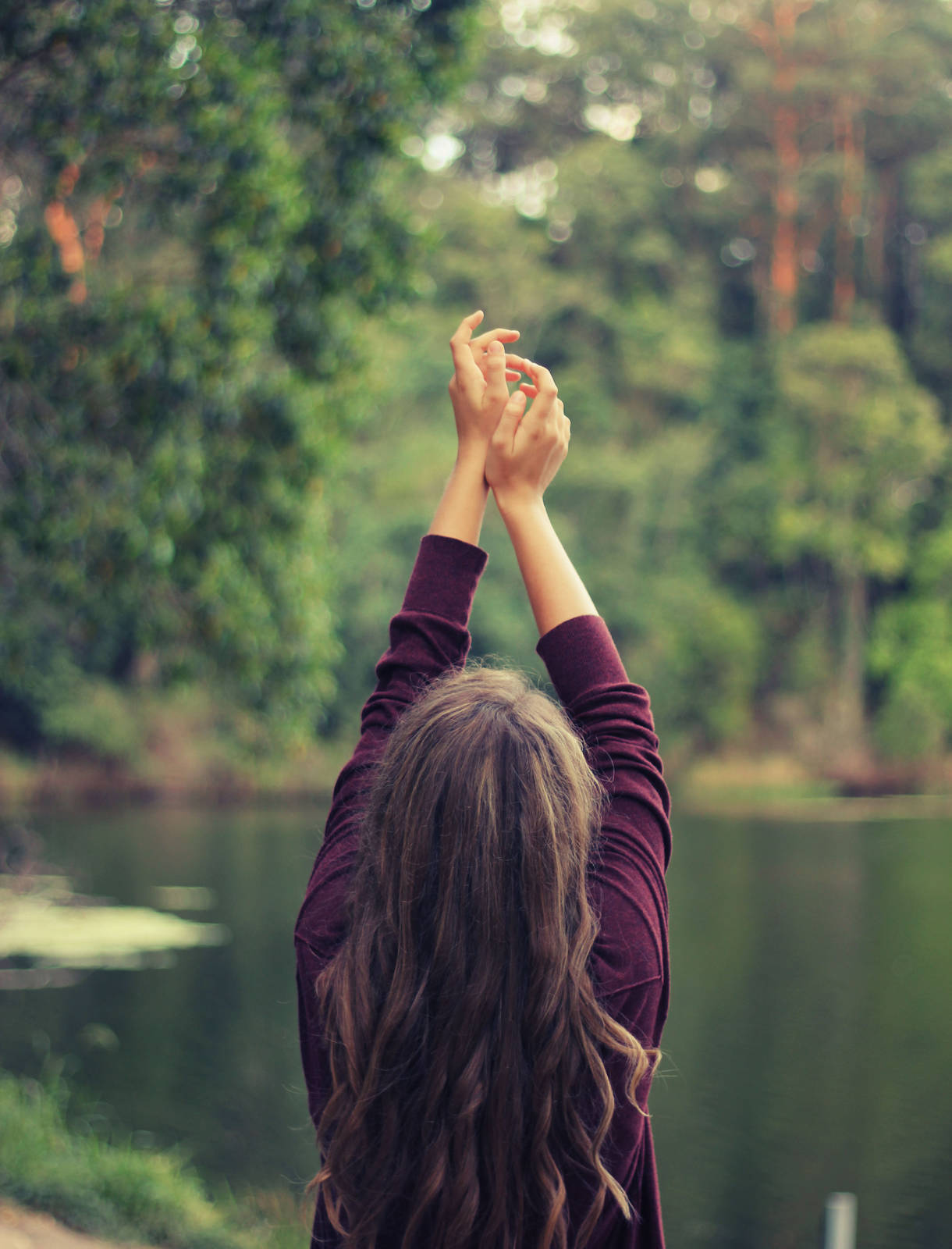
Later that day, Sameer went for a walk near the lake. The air was cool, and the water shimmered under the afternoon sun. He noticed a fisherman sitting quietly by the shore, holding a fishing line. The man wasn’t scrolling through his phone or fidgeting. He just sat there—still, patient, waiting.
After nearly half an hour, the fisherman pulled in a small fish. He smiled, not because it was a big catch, but because it was enough.
Sameer watched in silence. The fisherman’s calmness fascinated him. There was no rush, no frustration, no anxiety. Just trust in the process.
He sat on a rock nearby and stared at the water. The lake didn’t hurry, yet it reached every corner of the shore. The breeze didn’t force the trees to sway, yet they danced naturally. Everything around him moved at its own pace—and still, everything got done.
For the first time in months, Sameer felt his shoulders relax.
The Transformation
That evening, he opened his laptop to “fix” his project plan. But something stopped him. He realized he had been trying to control everything—timelines, people, outcomes. He had forgotten that some things simply take time.
He closed the laptop and decided to spend the rest of his break observing nature. Each day, he noticed something new:
- How the sun rose slowly, painting the sky one color at a time.
- How the plants he watered began to show tiny green shoots after a few days.
- How the ants carried food patiently, one crumb at a time, never rushing but never stopping.
He began journaling his thoughts. “Nature doesn’t rush,” he wrote one morning, “but it never fails.”
By the end of the week, Sameer felt different. He wasn’t “fixed,” but he was calmer. He understood that patience wasn’t about waiting—it was about trusting.
When he returned to the city, he carried that calmness with him. He didn’t become slower; he became steadier. He started planning better, communicating earlier, and focusing on what could be done today instead of worrying about what couldn’t.
His team noticed the change. Meetings became smoother, projects more organized. Even when delays happened, Sameer didn’t panic. He adapted.
Months later, his manager praised him for his leadership and composure. Sameer smiled quietly, thinking of the fisherman and the plants on his aunt’s terrace.
Lesson Learned: Patience Is Strength in Disguise
Patience is often misunderstood as passivity. But true patience is active—it’s the ability to stay consistent, calm, and confident even when results are invisible.
Nature doesn’t rush, yet everything gets done. Trees don’t compete, rivers don’t hurry, and mountains don’t move to prove their strength. They simply exist, grow, and evolve at their own pace.
When patience becomes a habit, frustration loses its power. The world may still move fast, but the mind stays steady.
Practical Life Tips to Build Patience
1. Focus on Consistency, Not Speed
Ask, “What can I do regularly?” instead of “Why is this taking so long?”
Small, steady actions create lasting results. Just like a tree grows a little each day, progress happens quietly but surely.
2. Pause Before Reacting
When something goes wrong, take a short pause before responding. That moment of silence can prevent unnecessary stress and regret. The pause is not weakness—it’s wisdom.
3. Track Effort, Not Just Results
Write down what was done today—calls made, pages studied, steps taken. Visible effort builds trust in the process. When progress feels invisible, your record reminds you that growth is happening.
4. Spend Time with Nature
Observe something that grows—a plant, a sunrise, a tree. Nature teaches patience through quiet progress. Even five minutes outdoors can reset the mind and restore perspective.
5. Give Your Goals Breathing Space
Add time buffers to plans. It’s not laziness—it’s wisdom. Growth needs room to unfold. When you stop forcing outcomes, you allow better ones to emerge naturally.
6. Practice Mindful Waiting
Turn waiting into reflection. Whether in traffic or a queue, use that time to breathe, observe, or think. Waiting doesn’t have to be wasted time—it can be peaceful time.
7. Learn from Setbacks
Every delay carries a lesson. Instead of asking “Why me?”, ask “What is this teaching me?” Patience grows when perspective shifts from frustration to learning.
8. Celebrate Small Wins
Recognize progress, no matter how small. Every step forward deserves acknowledgment. Gratitude fuels patience.
9. Limit Comparisons
Nature never compares. The oak doesn’t envy the bamboo. Each grows in its own way. Comparing timelines only breeds anxiety. Focus on your path.
10. Trust the Process
The most powerful lesson from nature is trust. Seeds don’t doubt the soil. Rivers don’t question their flow. Trust that your efforts will bear fruit in time.
The Science Behind Patience
Modern psychology supports what nature has always known: patience reduces stress, improves decision-making, and enhances creativity. When the mind slows down, it sees more clearly.
Studies show that people who practice patience are more resilient and happier. They experience fewer emotional outbursts and make better long-term choices. In essence, patience is not just a virtue—it’s a skill that strengthens mental health.
Sameer’s transformation wasn’t magic. It was biology and awareness working together. By slowing his pace, he allowed his nervous system to reset. His focus improved, his anxiety decreased, and his creativity returned.
The Deeper Meaning of Patience
Patience is not about waiting for the storm to pass—it’s about learning to dance in the rain. It’s the quiet belief that every delay has a purpose, every pause has meaning.
Nature doesn’t rush because it knows timing matters. A flower that blooms too early may wither; a fruit that ripens too fast may rot. Growth requires balance—between effort and rest, action and stillness.
When humans align with that rhythm, life becomes less chaotic and more meaningful.
Conclusion: Grow Like Nature—Quietly, Surely
If life feels slow, remember that roots grow before branches appear. Some seasons are meant for building strength, not showing results.
Nature never rushes, yet it creates wonders every day. Be like that—steady, patient, and unstoppable.
The next time frustration rises, step outside. Watch the sky change colors, the leaves move with the wind, the water ripple gently. Let nature remind that everything unfolds when it’s meant to.
Patience isn’t about waiting—it’s about trusting that growth is happening, even when unseen.