



Small habits often look insignificant in the moment. A glass of water after waking up, ten minutes of reading, or a short walk after dinner rarely feel life-altering. Yet over time, these modest actions quietly reshape health, mindset, finances, skills, and relationships. Across cultures, professions, and age groups, consistent micro-behaviors have repeatedly been observed to produce results that feel almost disproportionate to the effort involved.
This article explores how small habits create lasting life changes through real-world patterns, documented examples, and expert-backed insights. Rather than dramatic transformations or emotional storytelling, the focus remains on practical, observable behaviors that compound over time. The goal is to show how ordinary actions, practiced consistently, lead to extraordinary outcomes—and how these habits can be applied intentionally and sustainably.
Understanding the Power of Small Habits
Small habits work because they bypass resistance. Large goals often trigger fear, procrastination, or burnout. Tiny actions, by contrast, feel manageable and repeatable. Over time, repetition reshapes identity, skills, and outcomes.
Behavioral research shared by Harvard University highlights that behavior change is more sustainable when actions are simple, clearly defined, and tied to existing routines. This explains why people who focus on consistency rather than intensity tend to maintain progress longer.
A small habit is not weak; it is strategic. When repeated daily, even a 1% improvement compounds into noticeable change within months and transformative change within years.
How Small Habits Create Big Change Over Time
Small habits influence life in three interconnected ways:
- Behavioral Momentum: Easy actions reduce friction, making it more likely the habit will continue.
- Identity Reinforcement: Repeated behaviors subtly reinforce self-image, which then guides future decisions.
- Compounding Results: The cumulative effect of daily actions grows exponentially rather than linearly.
Research discussed by American Psychological Association shows that habits shape up to 40% of daily behavior, meaning long-term outcomes are often the result of routine rather than willpower.
Health Transformations Rooted in Simple Daily Choices
Consistent Movement Over Intense Exercise
Health improvements are more strongly associated with regular low-intensity movement than with occasional intense workouts. Public health data shared by the World Health Organization shows that daily walking, stretching, or light physical activity significantly reduces risks of cardiovascular disease, diabetes, and depression.
Observed patterns include:
- Individuals who walk for 15–20 minutes daily maintain mobility and joint health longer
- Short daily movement sessions reduce sedentary behavior risks
- Consistency improves adherence far more than aggressive fitness plans
Incremental Nutrition Habits
Rather than drastic diets, small nutritional shifts—such as adding one serving of vegetables daily or reducing sugary drinks—have been linked to sustainable weight management and metabolic health. Nutrition research published through National Institutes of Health supports gradual dietary change as more effective than restrictive eating patterns.
Mental Clarity Built Through Tiny Daily Practices
Brief Mindfulness and Reflection
Short, consistent mindfulness practices often outperform infrequent long sessions. Studies referenced by National Institute of Mental Health indicate that even five minutes of daily focused breathing or journaling can lower stress markers and improve emotional regulation.
Commonly observed benefits include:
- Improved focus and reduced mental fatigue
- Increased emotional awareness
- Better response to stress rather than reactive behavior
Controlled Digital Consumption
Reducing daily screen time by small increments—such as avoiding devices during meals or before sleep—has been linked to improved sleep quality and attention span. Behavioral studies cited by Pew Research Center show that intentional digital boundaries contribute to better mental well-being over time.
Financial Growth Through Everyday Money Habits
Automated Saving and Micro-Budgeting
Financial progress rarely comes from sudden income spikes alone. More often, it results from consistent money habits such as:
- Automatically saving a small percentage of income
- Tracking daily expenses briefly
- Reviewing spending weekly rather than annually
Data from Consumer Financial Protection Bureau demonstrates that individuals who automate even modest savings are significantly more likely to build emergency funds and long-term financial stability.
Conscious Spending Awareness
Small behaviors like pausing before purchases or reviewing subscriptions monthly help reduce impulsive spending. Over time, these habits reshape financial decision-making without requiring strict deprivation.
Skill Development Through Daily Micro-Learning
Short, Focused Practice Sessions
Skill mastery is often misunderstood as the result of long practice hours. However, evidence suggests that consistent, short practice sessions produce stronger long-term retention.
Educational research summarized by OECD shows that daily micro-learning improves:
- Knowledge retention
- Skill transfer
- Motivation to continue learning
Examples include:
- Practicing a language for 10 minutes daily
- Reading a few pages of technical material each day
- Writing a short paragraph regularly instead of infrequent long sessions
Habitual Skill Exposure
Frequent exposure keeps skills active in memory. Over months, this leads to noticeable competence growth without overwhelming cognitive load.
Relationships Strengthened by Small Consistent Actions
Daily Communication Rituals
Strong relationships often rely on small, repeated behaviors rather than grand gestures. Observational studies shared by Gottman Institute highlight that simple habits—such as daily check-ins or expressions of appreciation—predict relationship satisfaction more reliably than occasional major efforts.
Examples of effective small habits include:
- Asking one meaningful question daily
- Offering consistent acknowledgment
- Practicing attentive listening for a few minutes without distractions
Reliability and Trust Through Consistency
Consistency builds trust. Small habits signal dependability, which strengthens both personal and professional relationships over time.
Comparison Table: Small Habits vs. Big One-Time Changes
Small Habits vs. Sudden Transformations: What Works Long Term?
| Aspect | Small Daily Habits | Big One-Time Changes |
|---|---|---|
| Sustainability | High due to low effort | Low due to burnout risk |
| Psychological Resistance | Minimal | High |
| Consistency | Encourages repetition | Often short-lived |
| Identity Formation | Gradual and stable | Fragile |
| Long-Term Results | Compounding growth | Inconsistent outcomes |
This comparison reflects behavioral patterns observed across health, finance, education, and productivity research.
Why Small Habits Often Succeed Where Motivation Fails
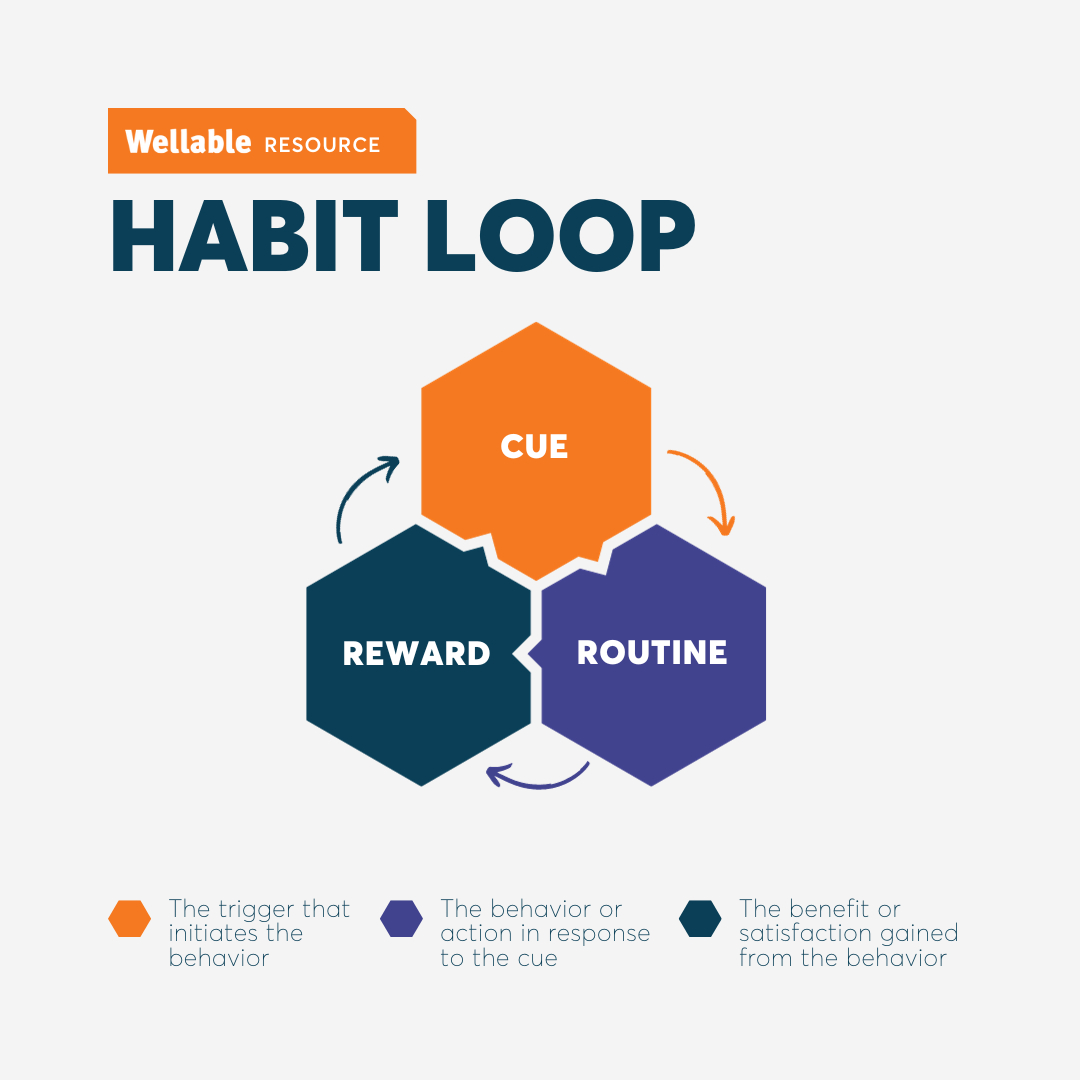
Motivation fluctuates. Habits remain. Small habits succeed because they rely on structure rather than emotional drive. According to behavioral science research discussed by Stanford University, environment design and routine cues play a larger role in habit maintenance than motivation alone.
Key supporting factors include:
- Clear triggers
- Low effort requirements
- Immediate or symbolic rewards
Common Misconceptions About Small Habits
“Small Actions Do Not Matter”
Data consistently shows that outcomes are shaped by frequency, not intensity. Minor actions repeated daily accumulate into substantial change.
“Results Should Be Immediate”
Small habits often produce invisible progress initially. Observable results typically appear after weeks or months of consistency.
“Only Major Changes Are Transformative”
Transformation is usually the by-product of systems, not single decisions. Small habits create systems that guide behavior automatically.
Practical Ways to Build and Maintain Small Habits
- Anchor new habits to existing routines
- Reduce friction by simplifying the action
- Track consistency visually
- Focus on repetition, not perfection
- Adjust habit size during high-stress periods rather than quitting
Insights from Atomic Habits emphasize that habits should be easy to start and satisfying to repeat, reinforcing long-term adherence.
Frequently Asked Questions (FAQ)
How long does it take for small habits to show results?
Results vary by habit type, but behavioral studies suggest noticeable changes often emerge within 30–90 days, with deeper transformation occurring over longer periods.
Are small habits effective for major life goals?
Yes. Major outcomes are typically the result of cumulative behaviors rather than isolated actions.
What if a small habit is missed occasionally?
Occasional inconsistency does not negate progress. Long-term patterns matter more than short-term lapses.
Can multiple small habits be built at once?
Research indicates focusing on one or two habits at a time improves success rates and prevents cognitive overload.
Do small habits work for everyone?
While individual circumstances differ, the principle of compounding behavior applies broadly across demographics and contexts.
Long-Term Impact of Small Habits on Life Direction
Over years, small habits shape daily structure, decision-making patterns, and identity. Health improves quietly, skills grow steadily, finances stabilize gradually, and relationships deepen consistently. These changes rarely feel dramatic in the moment, yet their cumulative effect often appears transformative in hindsight.
Documented behavioral patterns, supported by research institutions and long-term observations, consistently show that success is less about dramatic reinvention and more about repeated alignment between actions and values.
Conclusion: Small Habits as the Architecture of Lasting Change
Big life changes rarely begin with big actions. They begin with small, repeatable choices practiced consistently. Whether applied to health, learning, finances, or relationships, small habits create structure, stability, and momentum.
When daily actions are intentionally chosen and consistently practiced, they quietly reshape outcomes over time. The power of small habits lies not in their size, but in their persistence. By focusing on what can be repeated today, long-term progress becomes not only possible, but inevitable.
The most reliable path to meaningful change is rarely dramatic. It is steady, intentional, and built one small habit at a time.