


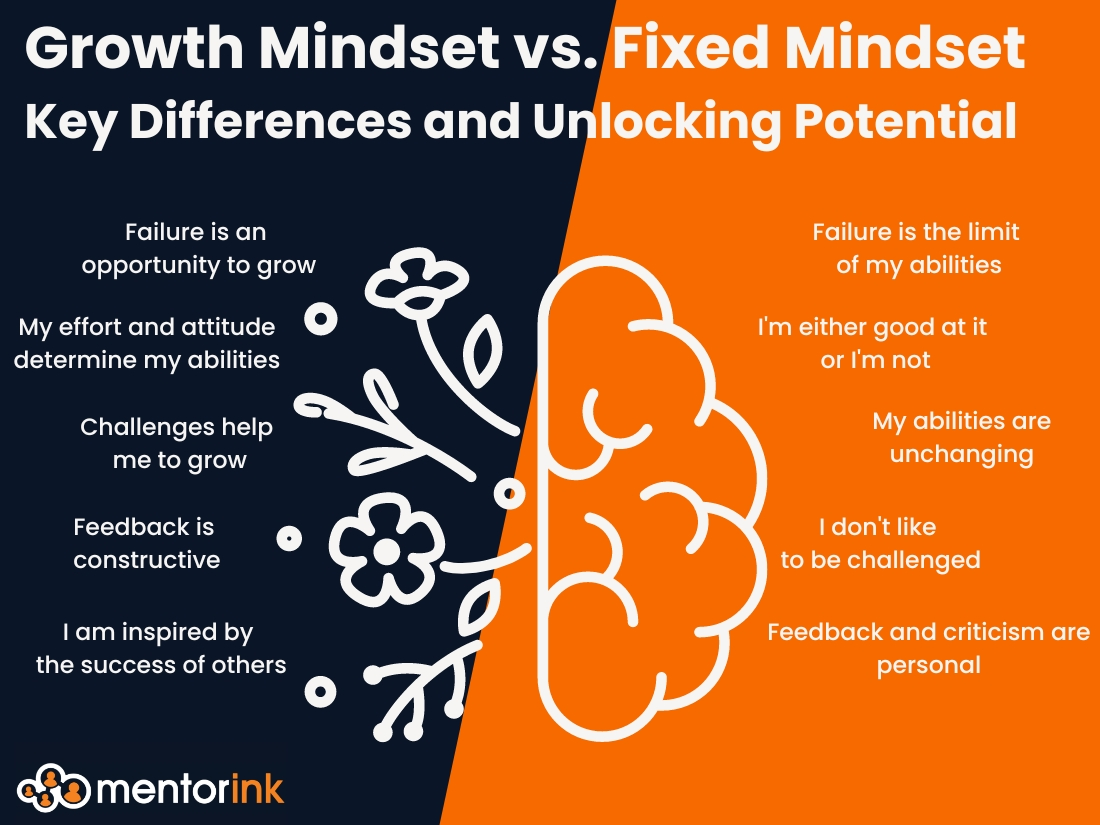

Focus, discipline, and growth are not personality traits reserved for a gifted few. They are skills shaped by deliberate habits, clear priorities, and the ability to stay consistent when motivation fades. Across history, business, sports, science, and social change, countless real-life journeys demonstrate how disciplined effort compounds into meaningful progress.
This in-depth exploration brings together well-documented life stories, behavioral insights, and practical frameworks that reveal how sustained focus and discipline fuel long-term growth. Each example is rooted in observable outcomes and credible sources, offering grounded lessons that translate directly into everyday life.
Why Focus and Discipline Matter More Than Talent
Research in behavioral psychology consistently shows that sustained attention and self-regulation outperform raw ability over time. Studies highlighted by the American Psychological Association emphasize that goal clarity and routine-based discipline significantly improve performance across professions.
Discipline functions as a stabilizer when circumstances are unpredictable. Focus channels effort into high-impact actions rather than scattered activity. Growth emerges as a natural outcome when both are practiced consistently, regardless of starting point.
Life Stories That Demonstrate the Power of Focus
Elon Musk: Structured Focus Across Multiple Domains
Known for leading companies in electric vehicles, aerospace, and artificial intelligence, Elon Musk’s work ethic is frequently analyzed for its structured approach to focus. Time-blocking methods, extensively discussed in management research published by Harvard Business Review, illustrate how allocating specific time windows to deep work reduces decision fatigue and increases output.
The key lesson here is not the scale of ambition but the method: prioritizing cognitively demanding tasks early, minimizing context switching, and aligning daily effort with long-term objectives.
Marie Curie: Discipline in Scientific Inquiry
Marie Curie’s achievements in physics and chemistry were the result of prolonged, disciplined experimentation under limited resources. Historical analyses from institutions such as Nobel Prize Outreach highlight how repeated testing, meticulous documentation, and patience were central to her breakthroughs.
Her journey underscores that growth in complex fields often comes from persistence and methodical effort rather than sudden insight.
Discipline as a Daily Practice, Not a Personality Trait
Discipline is frequently misunderstood as rigid self-control. In practice, it is a system of habits that reduces reliance on willpower. According to research summarized by James Clear’s habit science resources, environment design and routine predict consistency more reliably than motivation alone.
Observable patterns across high performers include:
- Clear daily structure with defined start and end points
- Limited goals per day to preserve mental energy
- Feedback loops to measure progress objectively
Stories of Discipline in Adversity
Serena Williams: Consistency Under Pressure
Serena Williams’ career illustrates how disciplined training routines support peak performance across decades. Sports science research cited by the International Tennis Federation documents how structured recovery, repetition, and mental conditioning sustain competitive focus.
The broader takeaway applies beyond sports: disciplined preparation reduces stress during high-stakes situations and enables reliable execution.
Nelson Mandela: Long-Term Growth Through Inner Discipline
Mandela’s leadership journey is frequently examined by historians for its emphasis on internal discipline. Educational resources from South African History Online explain how routine, learning, and emotional regulation sustained clarity of purpose during prolonged confinement.
This demonstrates that discipline also applies to mental habits, such as managing reactions and staying aligned with values under pressure.
How Focus Drives Measurable Growth
Focus determines where effort compounds. Economic research referenced by the World Economic Forum highlights that individuals and organizations with clear priorities adapt faster and achieve more sustainable growth.
Common characteristics observed in focused individuals include:
- Defined long-term direction
- Selective engagement with opportunities
- Ability to delay short-term rewards
These traits are not innate. They are developed through repeated practice and boundary-setting.
A Comparative View: Focus vs. Discipline vs. Growth
Focus, Discipline, and Growth Compared
| Aspect | Focus | Discipline | Growth |
|---|---|---|---|
| Core Function | Directs attention | Sustains effort | Measures progress |
| Primary Benefit | Reduces distraction | Builds consistency | Expands capability |
| Time Horizon | Short to medium term | Daily and long-term | Long-term outcome |
| Common Tool | Prioritization | Habit systems | Skill development |
| Risk if Missing | Scattered effort | Burnout or inconsistency | Stagnation |
This comparison highlights that growth is rarely achieved by focus or discipline alone. The most resilient progress occurs when both reinforce each other.
Lessons From Structured Growth in Business and Learning
Warren Buffett: Focused Decision-Making Over Decades
Warren Buffett’s investment strategy is often cited by financial educators at Berkshire Hathaway shareholder resources for its emphasis on selective focus. By limiting decisions to well-understood domains, he demonstrates how discipline in saying “no” can be as powerful as action.
The lesson extends to learning and career development: mastery accelerates when attention is concentrated rather than diluted.
Practical Ways to Apply These Lessons
Evidence-based strategies supported by research from Stanford University’s behavior design studies suggest the following approaches:
- Break goals into clearly defined daily actions
- Establish routines that remove friction from starting tasks
- Track progress weekly using objective metrics
- Reduce environmental distractions intentionally
These practices transform abstract motivation into observable progress.
Common Barriers to Focus and Discipline
Understanding obstacles is as important as learning strategies. Studies published by National Institutes of Health identify frequent disruptors such as cognitive overload, unclear goals, and inconsistent schedules.
Addressing these barriers involves simplifying commitments, aligning tasks with peak energy periods, and reviewing priorities regularly.
Frequently Asked Questions
How long does it take to build discipline?
Behavioral research indicates that habit formation varies by complexity. According to studies summarized by University College London, consistent routines typically stabilize within several weeks when conditions remain supportive.
Is multitasking compatible with focus?
Neuroscience research shared by MIT Sloan shows that multitasking reduces efficiency and increases error rates. Sustained focus on one task at a time leads to higher-quality outcomes.
Can discipline exist without motivation?
Yes. Motivation fluctuates, but structured systems maintain action regardless of emotional state. This principle is reinforced by productivity research from Cal Newport’s academic work on deep work.
Does discipline limit creativity?
On the contrary, studies referenced by Adobe’s creativity research reveal that structured routines often enhance creative output by reducing decision fatigue.
What role does rest play in growth?
Recovery is essential. Sleep and rest improve cognitive performance, as documented by Sleep Foundation research, supporting long-term focus and discipline.
Long-Term Growth as a Compounding Process
Growth rarely announces itself dramatically. It unfolds quietly through repeated actions aligned with purpose. Life stories across science, leadership, sports, and finance consistently demonstrate that disciplined focus transforms effort into durable progress.
Sustainable growth depends less on intensity and more on direction and consistency. When attention is guided intentionally and habits support action, improvement becomes inevitable rather than accidental.
The most enduring lesson from these motivational life stories is simple yet demanding: progress favors those who show up consistently, focus on what matters, and allow time to compound their efforts. Small, disciplined actions—repeated daily—shape outcomes that last a lifetime.